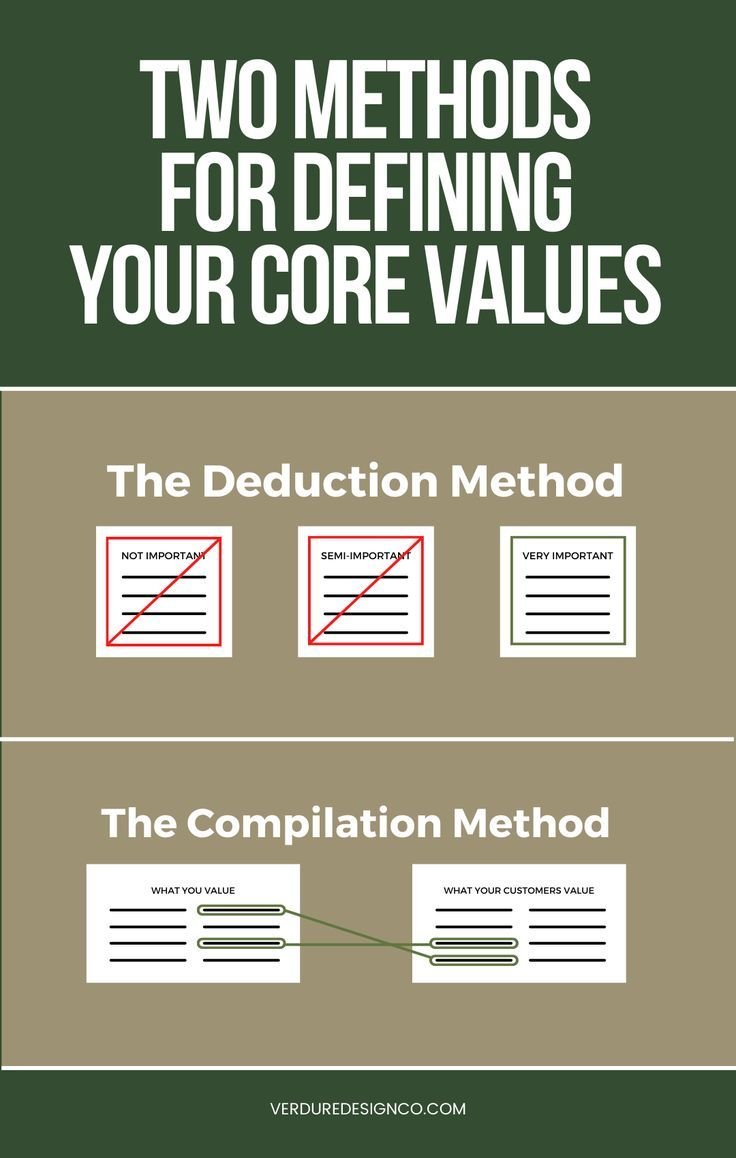
In a world clamoring for your attention and dictating what success should look like, defining your core values isn't just a feel-good exercise; it's the bedrock of authentic leadership and profound personal fulfillment. Without this foundational clarity, you risk drifting, making reactive decisions, and feeling a persistent disconnect between who you are and what you do. But with a clear understanding of your non-negotiables, you gain an internal compass that guides every choice, shapes your impact, and fuels a life aligned with your deepest sense of purpose.
This isn't about finding a magic formula or adopting someone else's ideals. It's about a deep dive into what truly matters to you, then translating those insights into actionable principles that transform your daily reality.
At a Glance: Your Path to Core Value Clarity
- Core values are your personal and professional DNA: They define who you are, what you stand for, and how you engage with the world.
- They empower confident decision-making: Act as a filter for tough choices, ensuring alignment with your authentic self.
- Core values shape your world: From your personal relationships to your business culture, they attract the right people and repel misalignments.
- Discovery is a journey, not a destination: Use reflection, visualization, and assessment tools to unearth your most important principles.
- Living your values requires action: Translate abstract values into concrete rules, measurable goals, and an accountability system.
- Values are dynamic: They can evolve with you, so periodic re-evaluation is key to sustained authenticity.
Why Your Core Values Are Non-Negotiable
Imagine trying to navigate a ship without a rudder or a map. That's life without clearly defined core values. They aren't just aspirational phrases; they are the fundamental beliefs that dictate your behavior, drive your choices, and ultimately determine your trajectory.
The Foundation of Who You Are
Your core values are your identity. They represent what you stand for, how you approach challenges, and what matters most when the chips are down. When you know your values, you gain a profound sense of self-awareness, allowing you to operate with an authentic voice in every interaction. It’s like discovering the unique blueprint that makes you, you.
The Unshakeable Compass for Decision-Making
Life presents a constant stream of choices, both big and small. From career shifts to personal relationships, the path isn't always clear. Your core values act as an internal compass, guiding you through these tough choices with confidence and alignment. When faced with a dilemma, you can ask, "Does this decision align with my value of integrity? With compassion? With ambition?" This framework simplifies complexity, ensuring your actions are congruent with your inner principles, even when no one else is watching.
The Blueprint for Your World: Personal & Professional Culture
Whether you lead a Fortune 500 company or simply want to build a thriving family dynamic, your values shape the culture around you. In business, they define what your organization stands for, attracting like-minded employees and customers. They inform everything from hiring and firing practices to how successes are recognized and mistakes are addressed. Personally, your values dictate the kind of relationships you cultivate, the environments you thrive in, and how you spend your most precious resource: your time. Without explicit values, you risk creating a culture by default, not by design.
Igniting Inspiration and Building Trust
As a leader, whether in a boardroom or at home, your values are your most powerful tool for inspiring others. When you live by your principles, you foster trust, create a shared sense of purpose, and motivate those around you to higher standards. People are drawn to authenticity, and seeing someone consistently act in alignment with their stated values builds a deep sense of loyalty and respect. It provides a moral framework that transcends mere tasks and projects, connecting individuals to a larger, more meaningful vision. This deep connection can truly help you discover why meaning matters in every aspect of your life.
Beyond Buzzwords: What Exactly Are Core Values?
Often, "core values" gets thrown around as corporate jargon or a vague personal ideal. Let's clarify.
Core values are not:
- New Year's resolutions: Those are often goals, not underlying principles.
- Someone else's expectations: Your parents', partner's, or company's values might not be yours.
- Trendy virtues: They should be timeless principles you're committed to, regardless of current fads.
- Things you want to be but aren't: They are fundamental truths about who you are or deeply aspire to be, with a willingness to embody them.
Instead, core values are deeply held beliefs that intrinsically motivate you. They are the answers to questions like: - "What do I believe is fundamentally good or right?"
- "What principles guide my actions when I'm at my best?"
- "What qualities do I prioritize in myself and others?"
They are the immutable forces that, when honored, bring you fulfillment and a sense of direction, acting as a compass for life and career choices.
The Journey Inward: Discovering Your Unique Core Values
The process of defining your core values isn't about pulling words out of a hat. It's a journey of self-discovery, often revealing principles you already live by but haven't explicitly named.
Step 1: Reflect on Moments of Aliveness and Engagement
Think back to 3-5 experiences in your life where you felt truly alive, engaged, and deeply fulfilled. These don't have to be grand achievements; they could be simple moments.
- Example: Helping a friend after an accident, or spending hours lost in a creative project.
- Action: What made these moments so fulfilling? What underlying values were present? Perhaps helpfulness, creativity, problem-solving, or empathy. Jot down these values as they emerge.
Step 2: Envision Your Legacy: The 80th Birthday Test
Fast forward to your 80th birthday party. Picture the scene: Who is there? What are people saying about you? What accomplishments are they celebrating? What impact did you have on their lives and the world?
- Action: This exercise reveals how you want to live and the lasting legacy you wish to create. The qualities people praise or the impact you're proud of often point directly to your core values (e.g., courage, commitment, compassion, innovation). What do you hope people remember most fondly about you?
Step 3: What Do You Admire? The Mirror of Others
Who do you look up to? Think of 2 or 3 individuals—they could be family members, friends, historical figures, or public leaders. What specific qualities or accomplishments do you admire in them?
- Example: Admiration for Martin Luther King, Jr. might point to values like courage, commitment, and selflessness.
- Action: The qualities you admire in others are often reflections of values you hold dear yourself, even if you don't fully embody them yet. List these qualities and deduce the underlying values.
Step 4: Decoding Your Desires: Wants vs. Values
Make two columns. In the first column, list everything you truly want in life: what you want to accomplish, be, have, experience, and how you want to spend your time.
- Example: "I want to travel the world" (want). "This shows I value adventure, learning, cultural immersion" (values). "I want to feel financially secure" (want). "This shows I value security, freedom, contribution" (values).
- Action: For each "want," identify the underlying value it represents. This helps you move beyond superficial desires to the deeper motivations.
Step 5: The Gut Check: Core Questions for Clarity
Now, pause and ask yourself these fundamental questions:
- What is most important to me, above all else?
- What do I want my life to truly stand for, day in and day out?
- What core philosophies or beliefs consistently drive my everyday decisions, even the small ones?
- Would these values still be important if no one else was watching? If I faced significant personal or professional cost for upholding them?
- Action: Write down your unfiltered responses. These direct questions often cut through noise and reveal deeply held convictions.
Step 6: Leverage a Values Inventory for a Head Start
Sometimes, seeing a list of values can spark recognition. Review a comprehensive values inventory (a quick online search will provide many).
- Action: Circle or write down every value that resonates with you, even slightly. Don't overthink it at this stage. Then, from this broader list, narrow it down to your top 10 values that feel most authentic.
Step 7: The Final Five (or Ten): Prioritizing Your Principles
You've likely generated a long list. Now comes the crucial step of prioritization.
- Action: Take your top 10 values and rank them from 1 (most important) to 10. Then, challenge yourself to narrow this down to your top 3-5 non-negotiable core values. These are the ones that, if compromised, would cause you significant distress or feeling of being off-track. Examples could include Ambition, Integrity, Compassion, Health, and Environmental Consciousness.
A quick note: Your values and their ranking can evolve over time as you grow, learn, and experience life. This is a dynamic process, not a one-time declaration. Don't be afraid to revisit and refine them.
The Alignment Check: Are You Living Your Truth?
Identifying your values is powerful, but assessing how well you actually live them is where real transformation begins. This step helps pinpoint areas where you might feel unfulfilled or out of sync.
Assessing Your Daily Life Alignment
Take each of your top 5-10 core values. On a scale of 1-10, rate how closely you follow and express each value in your daily life.
- 10: Fully expressed, a natural part of your routine.
- 1: Not present or actively contradicted.
- Example: If "Health" is a value, but you rarely exercise or eat nutritious meals, your score might be low. If "Curiosity" is a value, but you haven't learned anything new in months, that might also be a low score.
- Action: Be brutally honest. This isn't about judgment, but awareness.
Evaluating Your Career & Professional Path
Next, consider your job or career. For each core value, rate on a scale of 1-10 how well your work reflects and allows you to express that value.
- 10: Your job is a strong reflection of this value.
- 1: Your job offers no reflection or even conflicts with this value.
- Insight: A low score here may indicate significant unfulfillment or burnout. For instance, if "Community Impact" is a high value, but your job is purely transactional with no visible positive contribution, this could be a source of discontent. This evaluation helps illuminate why meaning matters so profoundly in your professional life.
Spotting the Gaps: Where Your Values Go Unexpressed
Look for the values that received low scores in either your daily life or career assessments. These are your "opportunity areas"—where you're currently not expressing important parts of yourself.
- Action: Identifying these unexpressed values is the first step toward redesigning your life to be happier and more fulfilled. These gaps are not failures; they are signals pointing you towards greater alignment.
From Principle to Practice: Making Your Values Actionable
Knowing your values is good; living them is transformative. This section moves from introspection to concrete action.
Visualizing Your Values-Driven Life
Close your eyes and imagine what your ideal life would look like if you were fully expressing all your core values.
- Where would you live?
- What type of work would you be doing?
- How would you spend your free time?
- Who would you spend it with?
- Action: Visualize images of this ideal life. This isn't just wishful thinking; it clarifies what you truly want and helps you find ways to make those choices a reality. For example, if "Adventure" is a core value, does your ideal life include travel, new experiences, or taking calculated risks?
Crafting Your Value Rules: The "How-To" of Your Principles
Abstract values are hard to live by. Translate each of your top 3-5 core values into 3-7 specific, actionable rules that guide your behavior. These are your personal standard operating procedures.
- Example for "Integrity":
- Always tell the truth, even when it's difficult.
- Keep promises, big and small.
- Lead by example, upholding ethical standards even when no one is watching.
- Own mistakes quickly and proactively seek solutions.
- Be transparent in all dealings, fostering an environment of openness.
- Action: Write these rules down for each of your core values. Make them clear and unambiguous.
Setting Measurable Goals for Each Core Value
For each core value, set two specific, actionable, and measurable goals for the next three months. This brings your values into your planning.
- Example for "Health":
- Exercise four times per week for 30 minutes (e.g., strength training Mon/Wed, cardio Tue/Thu).
- Meditate daily for 10 minutes using a guided app.
- Example for "Integrity" (professional context):
- Hold monthly team meetings specifically to discuss ethical practices and real-world dilemmas.
- Publish an annual transparency report on key operational metrics and financial health.
- Action: Ensure your goals are SMART (Specific, Measurable, Achievable, Relevant, Time-bound). These goals are your tangible steps toward living your values.
Building an Accountability System That Works
Defining and planning are only half the battle. Consistent action requires accountability.
- Track Your Progress: Regularly review your rules and goals. What actions did you take? What resources did you use? What patterns are emerging?
- Choose an Accountability Partner: Select a colleague, mentor, friend, or family member you trust and who understands the importance of this work.
- Schedule Check-ins: Schedule three monthly meetings with your accountability partner to review your progress.
- Refine and Adjust: During these meetings, discuss what's working, identify gaps, and refine your rules and goals as needed. For example, if your "Integrity" goals aren't being met, perhaps the rules need to be more specific, or the accountability clearer.
- Action: Don't try to go it alone. Shared commitment strengthens resolve and provides valuable external perspective.
Career Reinvention Through Values
If your career alignment assessment showed low scores, it might be time for a professional pivot or a strategic redesign of your current role.
- Action: Identify careers that naturally fit your personal values. Consider what tasks you prefer, the kind of work environment that energizes you, and the types of colleagues you enjoy collaborating with. For instance, if you value "Community Impact," careers in non-profit, government, social work, or public health might be a strong fit. If "Creativity" is key, consider roles in design, writing, innovation, or artistic fields.
Taking the First Step (and the Next): Incremental Alignment
The idea of completely overhauling your life to align with your values can feel overwhelming. Don't let perfection be the enemy of progress.
- Action: Brainstorm 3-5 easy, small steps you can take today or this week to start living one of your values more fully. Choose one small thing to do, then another tomorrow, and so on. Gradual alignment is powerful and sustainable. Perhaps it's volunteering for an hour, saying "no" to a commitment that doesn't align, or simply carving out 15 minutes for a creative pursuit. Each small step reinforces your commitment and builds momentum. This is a crucial aspect of why meaning matters so much in our daily choices.
When Values Evolve: Embracing Growth and Change
It's important to remember that your core values aren't set in stone from birth. As you grow, learn new things, experience different life stages, and overcome challenges, your values can and often do shift. What was paramount in your 20s might subtly change in your 40s or 60s.
Embrace this fluidity. If you ever feel stuck, unfulfilled, or that your internal compass is miscalibrated, it's a strong signal. Repeat this process of discovery and assessment. Revisit those moments of aliveness, re-envision your legacy, and re-evaluate your current alignment. This cyclical approach ensures your values remain a living, breathing part of your journey, always authentic to the person you are becoming.
Your Unstoppable Compass: The Enduring Impact of Defined Values
Defining your core values is not merely an intellectual exercise; it is an act of profound self-respect and intentional living. It provides you with an internal compass that cuts through the noise of external expectations, allowing you to navigate life's complexities with grace, confidence, and unwavering purpose.
By taking the time to ask what truly matters, to set actionable goals, and to share your journey with an accountability partner, you strengthen your leadership, foster undeniable personal growth, and create an enduring impact far beyond yourself. Your values become your legacy, the blueprint for a life lived fully, authentically, and with deep meaning. When you live in alignment with your core values, you unequivocally discover why meaning matters and become a powerful force for good in your own life and in the world around you. Start your journey today—your most authentic self is waiting.